
Logo Design Process: From Concept to Final Brand Mark
Introduction
A logo is more than just a visual symbol. It is the face of a brand, the first impression, and often the most recognizable element of a company’s identity. From startups to global enterprises, every successful brand relies on a strong logo to communicate its values, personality, and purpose.
The logo design process is not about randomly drawing shapes or choosing colors. It is a strategic and creative journey that transforms abstract ideas into a meaningful and memorable brand logo. When done professionally, logo creation strengthens brand recognition, builds trust, and creates long-term value.
In this guide, we will explore the complete logo design process, from initial research and concept development to final execution. Whether you are a business owner or working with a logo design agency, this article will help you understand how professional logo design truly works.
What Is Logo Design?
Logo design is the art and strategy of creating a unique visual mark that represents a brand. A logo can be a symbol, wordmark, lettermark, or a combination of elements designed to visually communicate a brand’s identity.
A successful logo is:
- Simple and recognizable
- Relevant to the brand’s industry and audience
- Timeless rather than trend dependent
- Versatile across platforms and sizes
Professional logo design balances creativity with strategy to deliver long-term branding value.
Why Logo Design Matters for a Brand
Creates a Strong First Impression
In many cases, a logo is the first thing people notice about a brand. A well designed logo immediately communicates professionalism, credibility, and purpose.
Builds Brand Recognition
Consistent logo usage helps customers recognize and remember a brand. Over time, a logo becomes strongly associated with trust and experience.
Communicates Brand Identity
Colors, typography, and shapes all send psychological signals. A thoughtful brand logo visually communicates the brand’s personality and values.
Supports Marketing and Branding
From websites and social media to packaging and advertising, a logo is central to all branding efforts.
Understanding the Logo Design Process
The logo design process is a structured approach that ensures creativity is guided by strategy. Professional designers follow a step by step workflow to produce logos that are not only visually appealing but also meaningful.
Let’s explore each stage in detail.
Step 1: Brand Discovery and Research
Every successful logo starts with understanding the brand.
Brand Analysis
Designers begin by learning about:
- Business goals and vision
- Brand values and mission
- Target audience
- Industry and competitors
This step ensures that the logo aligns with the brand’s long-term direction.
Market and Competitor Research
Studying competitors helps designers identify trends, avoid similarities, and find opportunities for differentiation. This research phase plays a key role in creating a unique logo.
Step 2: Defining Brand Personality
Before sketching begins, the brand’s personality must be clearly defined.
Common brand personality traits include:
- Professional
- Friendly
- Bold
- Minimal
- Luxury
- Innovative
These traits influence design decisions such as typography, color palette, and overall style.
Step 3: Concept Development
This is where creativity begins to take shape.
Brainstorming Ideas
Designers explore multiple creative directions based on the research and brand personality. Ideas are generated without limitation to encourage originality.
Sketching Concepts
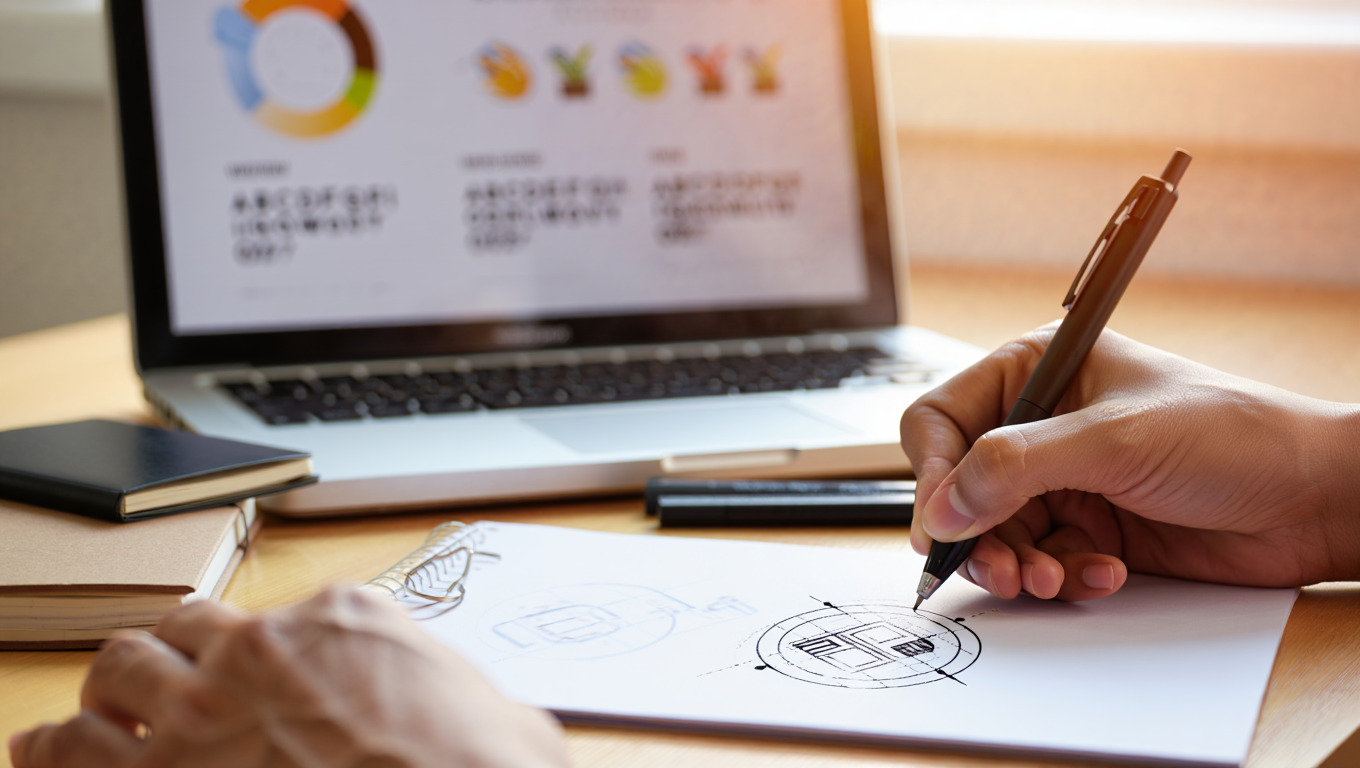
Rough sketches allow designers to quickly visualize ideas. This phase focuses on structure and symbolism rather than perfection.
Choosing Logo Type
Common logo types include:
- Wordmark logos
- Lettermark logos
- Symbol based logos
- Combination logos
The choice depends on brand name, industry, and scalability needs.
Step 4: Digital Logo Creation
Once a concept is selected, the logo moves into digital form.
Vector Design
Professional logo creation is done using vector software to ensure scalability without quality loss. This allows the logo to be used across all sizes and platforms.
Typography Selection
Fonts play a major role in visual identity. Designers either choose professional typefaces or customize lettering to enhance uniqueness.
Color Exploration
Colors are selected based on brand psychology and audience perception. A professional logo works in full color, black and white, and grayscale.
Step 5: Refinement and Iteration
No logo is perfect on the first attempt.
Design Refinement
Designers refine spacing, alignment, proportions, and visual balance to improve clarity and impact.
Feedback and Revisions
Client feedback is carefully reviewed. Revisions focus on improvement rather than redesign, maintaining the core concept while enhancing execution.
This collaborative stage is essential in professional logo design.
Step 6: Testing Logo Versatility
A logo must work in real-world scenarios.
Designers test the logo across:
- Websites and mobile screens
- Social media profiles
- Business cards and stationery
- Packaging and merchandise
This ensures the logo remains legible and effective in all formats.
Step 7: Finalization and Delivery
Once approved, the final logo is prepared for use.
File Formats
A professional logo design agency provides multiple file formats such as:
- Vector files for print
- Raster files for digital use
- Transparent background versions
Brand Guidelines
Many agencies also deliver basic brand guidelines to ensure consistent logo usage across platforms.
Common Logo Design Mistakes to Avoid
- Overcomplicating the design
- Following short term trends
- Using too many colors or fonts
- Copying competitor logos
- Ignoring scalability
Avoiding these mistakes ensures longevity and brand clarity.
Professional Logo Design vs DIY Logos
DIY logo tools may seem cost effective, but they often lack originality and strategic depth. A logo design agency brings experience, research, and creative expertise that results in a logo built for long-term brand success.
Professional logo design is an investment, not an expense.
How to Choose the Right Logo Design Agency
When selecting a logo design agency, look for:
- A strong portfolio
- Clear design process
- Understanding of branding strategy
- Transparent communication
- Experience across industries
The right agency will guide you from concept to completion with clarity and professionalism.
The Role of Logo Design in Brand Growth
A strong logo supports:
- Brand recognition
- Marketing consistency
- Customer trust
- Emotional connection
- Competitive advantage
Over time, a logo becomes a powerful asset that represents the brand’s story and reputation.
Conclusion
The logo design process is a strategic journey that transforms ideas into a lasting visual identity. From research and concept development to refinement and final delivery, every step plays a crucial role in shaping a successful brand logo.
Whether you are launching a new business or rebranding an existing one, investing in professional logo design ensures your brand stands out, communicates clearly, and builds trust in a competitive market.
A well crafted logo is not just a design. It is the foundation of a strong brand.